



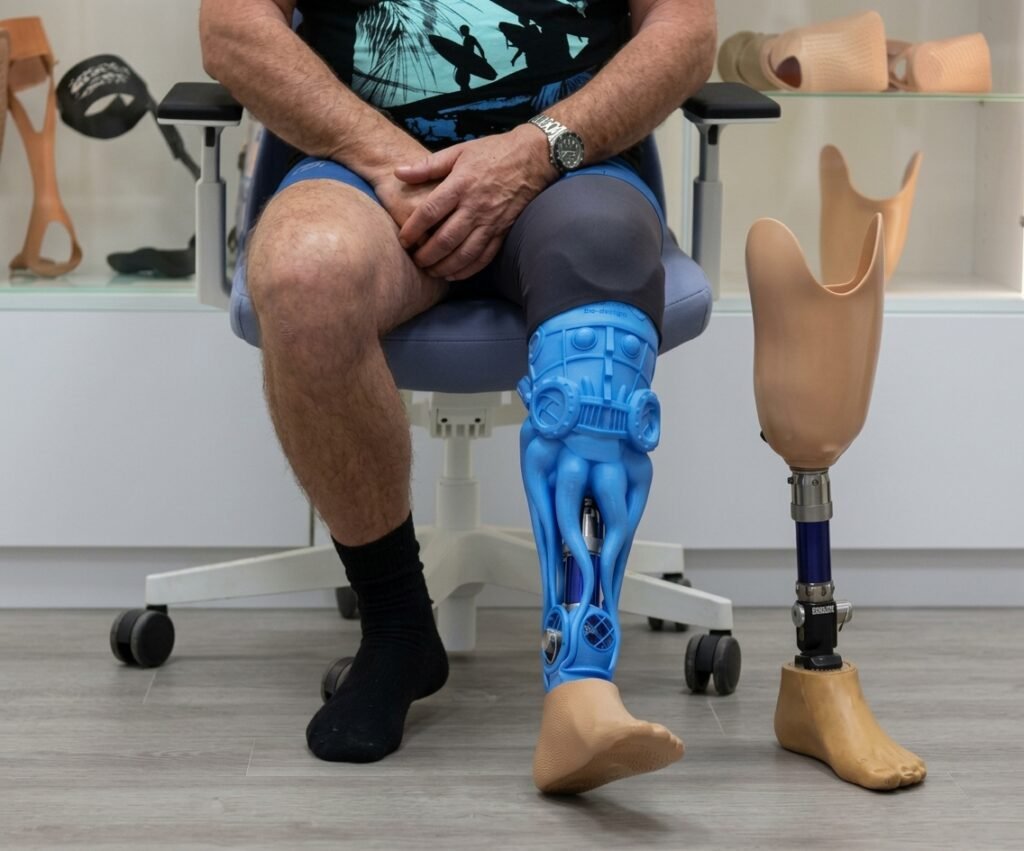

Prostheses Billing Services

Prosthetic billing in 2026 is highly regulated, with CMS applying updated DMEPOS fee schedule adjustments of approximately 2.0%–2.8% annually for most prosthetics and orthotic-related codes. These updates directly impact reimbursement rates for HCPCS Level II L-codes and related services.


Across Medicare and commercial payers, prosthetic and DME claims continue to face a high denial rate of nearly 13%–16%, largely due to documentation gaps, coding errors, and prior authorization issues. At 7Orbit Services, we address these challenges with precision-driven billing, compliance, and end-to-end revenue cycle support.

Sign Up For Medical Billing Services

    Why Prostheses Billing Requires Specialized Expertise

    Prostheses billing requires advanced coding knowledge, strict compliance, and a deep understanding of payer-specific rules. In 2026, insurers and Medicare contractors have significantly tightened medical necessity requirements, making accurate and complete documentation one of the most critical factors in claim approval. Missing or incomplete documentation continues to be a leading cause of denials nationwide, directly impacting reimbursement timelines and revenue stability for providers.

    To achieve compliant and accurate billing, every claim must align with multiple coding and regulatory components, including:

    • HCPCS Level II (L-codes) for prosthetic devices
    • CPT codes for fitting, adjustment, and related services
    • ICD-10 codes to establish medical necessity linkage
    • Proper modifier usage, such as RT, LT, KX, and GA

    Our Prostheses Billing Solutions

    We provide complete, end-to-end Prostheses Billing Solutions tailored to your workflow, payer requirements, and compliance standards. Our goal is to improve claim accuracy, reduce denials, and ensure faster reimbursements across all prosthetic billing operations.

    Eligibility verification

    We verify patient insurance coverage, benefits, and eligibility before services are rendered. This helps prevent unexpected denials and ensures smooth claim processing from the start.

    Prior authorization

    Our team manages prior authorization requests in alignment with payer-specific requirements. We ensure all necessary approvals are secured to avoid claim rejections and payment delays.

    Accurate coding

    We apply correct HCPCS L-codes, CPT, and ICD-10 codes based on clinical documentation. This ensures medical necessity is properly supported and reduces coding-related denials.

    Claim submission

    We submit clean and error-free claims in compliance with payer guidelines. Each claim is reviewed for accuracy to maximize first-pass acceptance rates.

    Denial management

    We analyze denied claims to identify root causes and correct errors efficiently. Our team resubmits appeals with proper documentation to recover lost revenue.

    AR follow-up

    We actively monitor outstanding accounts receivable and follow up with payers. This ensures timely payments and improves overall cash flow performance.
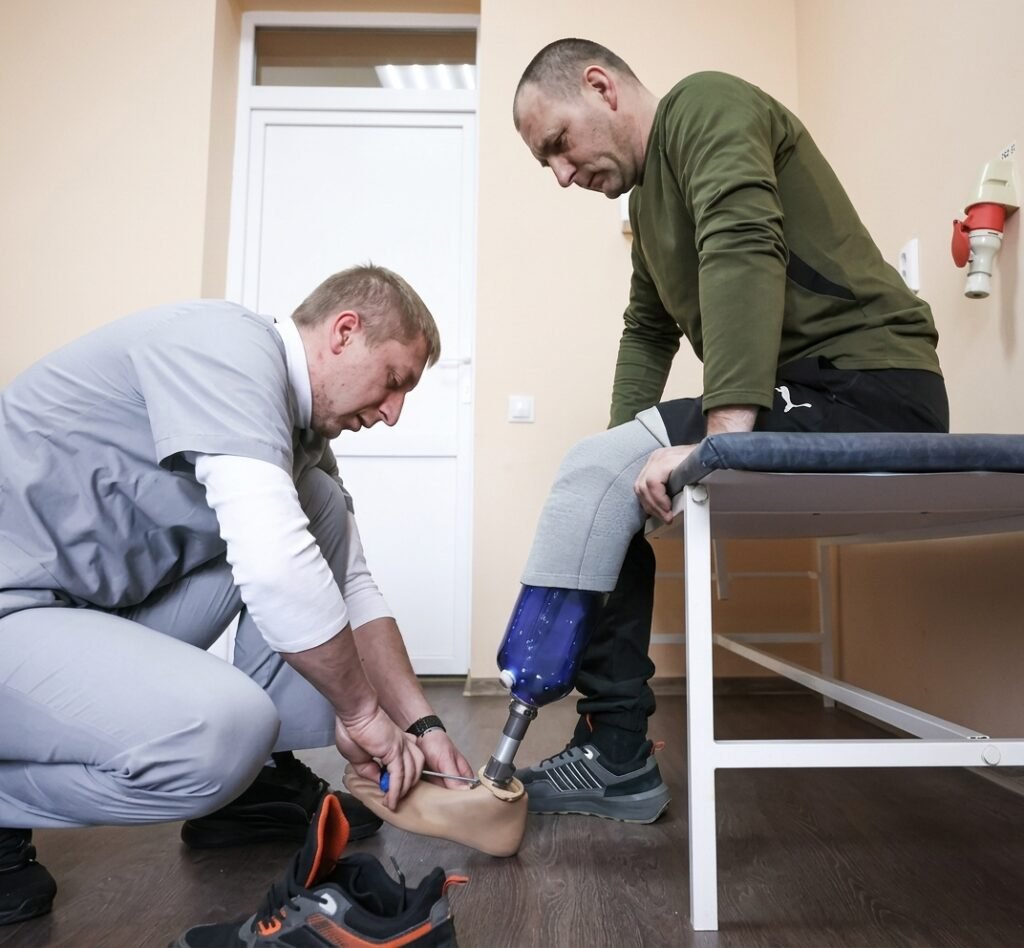

    Common Prostheses Billing Challenges We Solve

    Prosthetic billing errors impact revenue performance, as payer audits and documentation requirements become more stringent. Most claim denials are not random they are the result of preventable issues such as incomplete records, weak medical necessity justification, or incorrect coding practices. These recurring problems delay reimbursements and increase burden for providers.

    Key industry data highlights the most common causes in prostheses billing:

    • 30% of denials are due to missing or incomplete documentation
    • 25% of denials are linked to insufficient medical necessity justification
    • 20% of denials result from incorrect coding or modifier usage

    We directly address these issues through structured billing workflows, accurate coding practices, and strict compliance checks. Our approach focuses on eliminating root causes of denials, improving claim accuracy, and ensuring consistent reimbursement performance for providers.

    Our End-to-End Prostheses Billing Process

    We follow a structured, compliance-driven workflow to ensure accuracy at every stage of the prostheses billing cycle. Each step is designed to reduce denials, improve claim acceptance, and accelerate reimbursement timelines. Our process aligns with payer requirements and current 2026 billing standards.

    Outsource Prostheses Billing Services

    Outsourcing prostheses billing has become a strategic necessity in 2026 as providers face rising denial rates, stricter payer documentation rules, and increasing administrative workload. Managing HCPCS L-codes, prior authorizations, and compliance requirements in-house often leads to delays and revenue leakage. By choosing to Outsource Prostheses Billing Services, healthcare organizations can streamline operations and focus more on patient care.

    Outsourcing also helps improve financial performance and billing accuracy by reducing internal errors and ensuring expert-level claim management. Key advantages include:

    • Reduced administrative and billing workload for in-house teams
    • Improved claim accuracy with expert coding and documentation review
    • Faster reimbursements through clean claim submissions
    • Better compliance with Medicare and commercial payer guidelines
    • Lower denial rates through proactive error prevention

    Need more info?

    Schedule Your Free Demo Today! Discover how our expert billing solutions can transform your practice’s revenue cycle.

    Newsletter

    Signup our newsletter to get update information, news, insight or promotions.

      © 2026 7Orbit MedBilling Services. All Rights Reserved.

      Powered by 7ORBIT
      Scroll to Top